If you want to protect your joints against damage, then keep them in proper postures and give them adequate support with some tweaks to your lifestyle.
Diet, exercise, lifestyle, and using the right equipment can make a huge difference.
Some of the essential tips by Dr A K Sharma, best orthopedic doctor in delhi ncr, for protecting your joints or here are some right moves towards healthy Joints:
Diet, exercise, lifestyle, and using the right equipment can make a huge difference.
Some of the essential tips by Dr A K Sharma, best orthopedic doctor in delhi ncr, for protecting your joints or here are some right moves towards healthy Joints:
1) Gear Up
Don’t let fashion get within the means of your medical science health. The article of clothing we tend to wear builds or breaks our bone and joint health, thus adorning the right gear is a straightforward thanks to work towards a painless life. Rather than carrying high heels, that throw the body out of its natural position, search for shoes that offer comfort and support. Ensure your feet have lots of space inside the shoe to avoid cramping and deforming. Besides, wear looser fitting garments to help correct blood circulation and suppleness of muscles.
Don’t let fashion get within the means of your medical science health. The article of clothing we tend to wear builds or breaks our bone and joint health, thus adorning the right gear is a straightforward thanks to work towards a painless life. Rather than carrying high heels, that throw the body out of its natural position, search for shoes that offer comfort and support. Ensure your feet have lots of space inside the shoe to avoid cramping and deforming. Besides, wear looser fitting garments to help correct blood circulation and suppleness of muscles.

2) Develop Healthy Habits
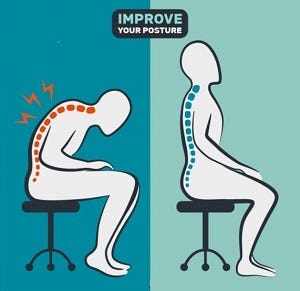
Developing healthy habits is vital for long-run medical science health. Observe smart posture by forever keeping each foot on the ground to distribute weight equally moreover as pull your shoulders back to straighten out your spine. Avoid putting stress on your back and shoulders by carrying lighter masses, evening out your backpack straps or using a travelling bag with wheels. Once sleeping, use substantiating pillows and select a grip that enhances the natural curvature of the spine.
Developing healthy habits is vital for long-run medical science health. Observe smart posture by forever keeping each foot on the ground to distribute weight equally moreover as pull your shoulders back to straighten out your spine. Avoid putting stress on your back and shoulders by carrying lighter masses, evening out your backpack straps or using a travelling bag with wheels. Once sleeping, use substantiating pillows and select a grip that enhances the natural curvature of the spine.
3) Go Low-Impact
Which exercise is good?
The right choices include activities that do not pound your joints, like walking, bicycling, swimming, and strength training.
Which exercise is good?
The right choices include activities that do not pound your joints, like walking, bicycling, swimming, and strength training.
4) Flex Some Muscle
Become stronger to maintain the excellent balance and support to your joints. Even a little more strength can make a difference. A physical therapist or certified trainers can teach you what could be the appropriate moves to do for maintaining the excellent balance and how to do them. If you have joint problems, avoid quick, repetitive activities or exercises.
Become stronger to maintain the excellent balance and support to your joints. Even a little more strength can make a difference. A physical therapist or certified trainers can teach you what could be the appropriate moves to do for maintaining the excellent balance and how to do them. If you have joint problems, avoid quick, repetitive activities or exercises.
5) Practice Precaution
Taking preventive measures is crucial once it involves your bone and joint health. If you notice any changes in your medical science health, ensure you’re taking action before it’s too late.
Taking preventive measures is crucial once it involves your bone and joint health. If you notice any changes in your medical science health, ensure you’re taking action before it’s too late.
• Ice the area to scale back swelling
• Wrap the area to compress and detain place
• Elevate the area to encourage blood flow
• Wrap the area to compress and detain place
• Elevate the area to encourage blood flow
If the bone or joint continues to weaken or the pain continues to worsen, it’s necessary to look for the best orthopedic doctor in delhi ncr quickly.
Comments
Post a Comment